


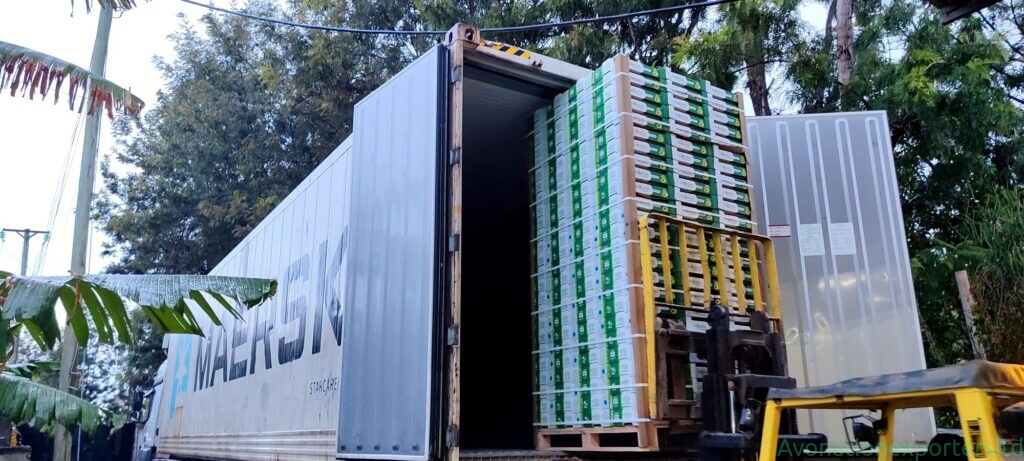
Kenya is one of the world’s leading exporters of premium Hass and Fuerte avocados, supplying fresh fruit to markets across the Middle East, Europe, Asia, and beyond. Thanks to its favourable climate, experienced growers, and strict export standards, Kenyan avocados are renowned for their excellent quality, creamy texture, and long shelf life.
Whether you are a wholesaler, supermarket, food distributor, importer, or fresh produce company, importing avocados from Kenya can be a profitable business. This guide explains the entire import process—from selecting a reliable supplier to receiving your shipment.
Why Import Avocados from Kenya?
Kenyan avocados are trusted by buyers worldwide because they offer:
- Excellent flavour and creamy texture
- High oil content and optimal dry matter
- Consistent export quality
- Competitive pricing
- Reliable seasonal availability
- Compliance with international export standards
Step 1: Choose a Reliable Kenyan Avocado Exporter
Selecting the right supplier is the most important step. A reputable exporter should be able to provide:
- Export-quality Hass and Fuerte avocados
- Professional grading and sorting
- Modern packing facilities
- Cold-chain management
- Export documentation
- Sea and air freight support
- Consistent communication throughout the shipment process
Always ask about the company’s export experience, quality assurance procedures, and the markets they currently supply.
Step 2: Define Your Product Requirements
When requesting a quotation, clearly specify:
- Avocado variety (Hass or Fuerte)
- Required fruit sizes (such as 16, 18, 20, 22, or 24)
- Packaging requirements (commonly 4 kg export cartons)
- Quantity required
- Destination port
- Preferred Incoterms (FOB, CFR, or CIF)
- Expected delivery schedule
Providing detailed requirements enables the exporter to prepare an accurate quotation and production plan.
Step 3: Request and Review a Quotation
A professional quotation should include:
- Product specifications
- Quantity
- Packaging details
- Unit price
- Total order value
- Shipping terms
- Estimated shipment date
- Payment terms
Review all details carefully before confirming your order.
Step 4: Confirm Your Order
Once both parties agree on the commercial terms, the exporter begins preparing your shipment.
This process typically includes:
- Harvesting at the correct maturity
- Quality inspection
- Grading and sizing
- Packing into export cartons
- Palletisation
- Cold storage
- Booking space with the shipping line or airline
Step 5: Export Documentation
International avocado shipments generally include:
- Commercial Invoice
- Packing List
- Phytosanitary Certificate
- Certificate of Origin (where applicable)
- Bill of Lading (sea freight)
- Air Waybill (air freight)
- Any additional certificates required by the importing country
Always verify your country’s import requirements before shipment.
Step 6: Shipping and Cold Chain Management
Most commercial avocado exports are transported in refrigerated (reefer) containers to preserve freshness and extend shelf life.
Maintaining the cold chain from the packing facility to the destination market is essential for delivering high-quality fruit.
Depending on your location and order size, shipments can be sent by sea or by air.
Step 7: Customs Clearance
Upon arrival, your customs broker or clearing agent will:
- Submit import documentation
- Pay applicable duties and taxes
- Arrange inspections where required
- Obtain customs release
- Organise delivery to your warehouse or distribution centre
Import regulations differ from country to country, so consult your customs authority or clearing agent before placing an order.
Step 8: Distribution
After customs clearance, the avocados can be supplied to:
- Wholesale markets
- Supermarkets
- Fruit importers
- Hotels and restaurants
- Food service companies
- Ripening facilities
Proper storage and handling after arrival help maintain quality and maximise shelf life.
Tips for First-Time Importers
- Begin with a trial shipment before placing larger orders.
- Confirm the fruit sizes preferred in your market.
- Work with an experienced exporter.
- Maintain the cold chain throughout transportation.
- Agree on payment terms before shipment.
- Ensure all required documentation is complete.
Frequently Asked Questions
What is the minimum order quantity?
Minimum order quantities vary depending on the exporter. Some suppliers accept pallet orders, while others require full container loads.
Which avocado variety is most popular?
Hass avocados are the most widely traded internationally due to their rich flavour, excellent shelf life, and strong consumer demand.
How are avocados transported?
Commercial quantities are typically shipped in refrigerated sea containers, while urgent or smaller consignments may be transported by air.
Which countries import Kenyan avocados?
Kenyan avocados are exported to the United Arab Emirates, Saudi Arabia, Oman, Qatar, India, China, Malaysia, Singapore, and many European markets.
Partner with Avonation Exporters
At Avonation Exporters, we supply premium Kenyan Hass and Fuerte avocados that are carefully selected, professionally packed, and prepared for international markets.
Whether you require pallet quantities or full container loads, our team is committed to providing reliable service, export documentation, and efficient shipping support.
Contact us today to request a quotation and discover how we can become your trusted supplier of premium Kenyan avocados.